

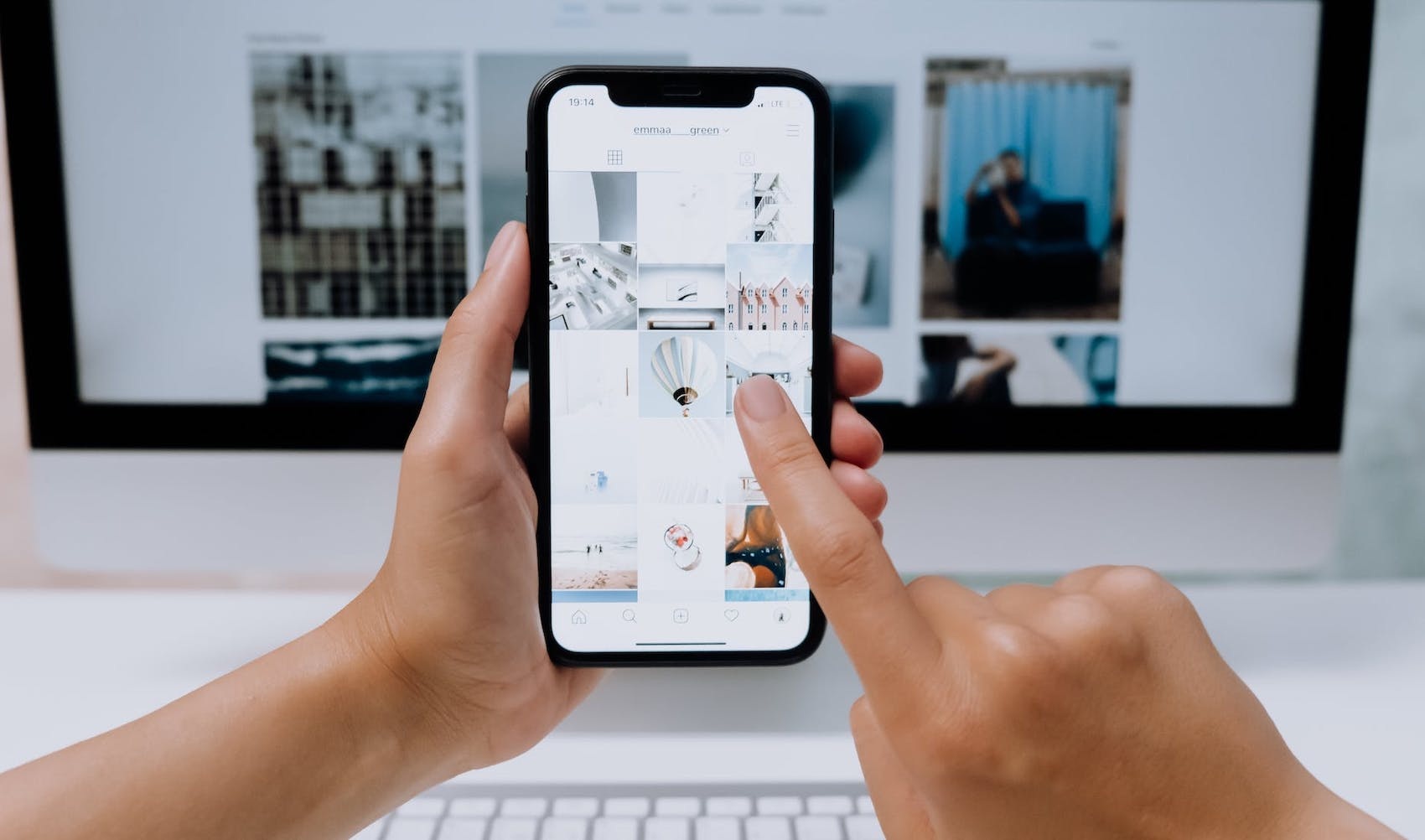
In the fast-paced world of social media, consistency is key to building a loyal audience and fostering engagement. For Instagram, one of the most visually driven platforms, staying organized and planning ahead is essential to ensure your content resonates with your followers. Creating an Instagram content calendar is a strategic move that not only streamlines your workflow but also keeps your brand’s messaging cohesive. Here’s a step-by-step guide to building an effective Instagram content calendar that boosts consistency and engagement.
Step 1: Define Your Goals
Before you start planning your posts, it’s crucial to define what you want to achieve with your Instagram presence. Are you aiming to increase brand awareness, drive website traffic, or boost sales? Clear goals will help you tailor your content to meet your objectives. For instance, if you’re focusing on brand awareness, you might prioritize visually appealing posts that tell your brand’s story. On the other hand, driving sales may require a mix of promotional posts and user-generated content.
Step 2: Identify Your Audience
Understanding your target audience is at the heart of any successful Instagram strategy. Research their demographics, interests, and pain points. Use Instagram Insights to gather data on your current followers, including their age, location, and active times. This information will guide you in creating content that resonates with them and scheduling posts at optimal times for maximum visibility.
Step 3: Choose Your Content Pillars
Content pillars are the core themes that define your Instagram presence. For example, a fitness brand might focus on workout tutorials, client transformations, healthy recipes, and motivational quotes. By identifying your content pillars, you can ensure your calendar includes a balanced mix of post types that reflect your brand’s identity and keep your audience engaged.
Step 4: Plan Your Posting Schedule
Consistency is vital, but that doesn’t mean you have to post daily. Analyze your resources and determine a realistic posting frequency. Tools like Instagram Insights can help you identify the best days and times to post based on your audience’s activity. Once you’ve set your schedule, stick to it This reliability builds trust with your followers.
Step 5: Use a Content Calendar Tool
There are numerous tools available to help you organize and schedule your Instagram content. Platforms like Trello, Asana, and Google Sheets allow you to create visual content calendars. Many management tools specially curated for Instagram, such as Grum and Hootsuite, also include calendar features that let you schedule posts directly. A well-organized calendar ensures you always know what’s coming up, making it easier to maintain consistency.
Step 6: Create Captivating Captions and Visuals
Instagram is a visual platform, so your posts should grab attention at first glance. Invest in high-quality images or videos and use design tools like Canva to create visually appealing content. Equally important are your captions—they should be engaging, informative, and aligned with your brand voice. Don’t forget to include a call-to-action (CTA) to encourage interactions, whether it’s asking a question, prompting users to visit your website, or tagging a friend.
Step 7: Incorporate Hashtags Strategically
Hashtags are essential for increasing your content’s reach and visibility. Research popular and niche hashtags relevant to your industry and use a mix of both in your posts. Avoid overloading your captions with too many hashtags; instead, aim for a curated selection that enhances your discoverability.
Step 8: Analyze and Optimize
A content calendar is a living document that evolves. Regularly analyze your Instagram performance to see what’s working and what’s not. Use Instagram Insights to track metrics like engagement rate, reach, and follower growth. Based on this data, refine your strategy and adapt your calendar to better meet your audience’s preferences.
Bonus Tip: Use a Bio Generator
Your Instagram bio is the first thing users see when they visit your profile. It’s your chance to make a strong first impression and communicate your brand’s value. Using a Bio generator can help you craft a professional and attention-grabbing bio that converts profile visits into follows. Make sure your bio aligns with the overall tone and messaging of your Instagram content.
Conclusion
Creating an Instagram content calendar is a game-changer for businesses and individuals looking to grow their presence on the platform. By defining your goals, understanding your audience, and staying organized with a calendar, you can maintain consistency and drive engagement. Remember to analyze your results and make adjustments as needed to keep your content strategy fresh and effective. With the right approach, your Instagram profile can become a powerful tool for connecting with your audience and achieving your marketing goals.

