

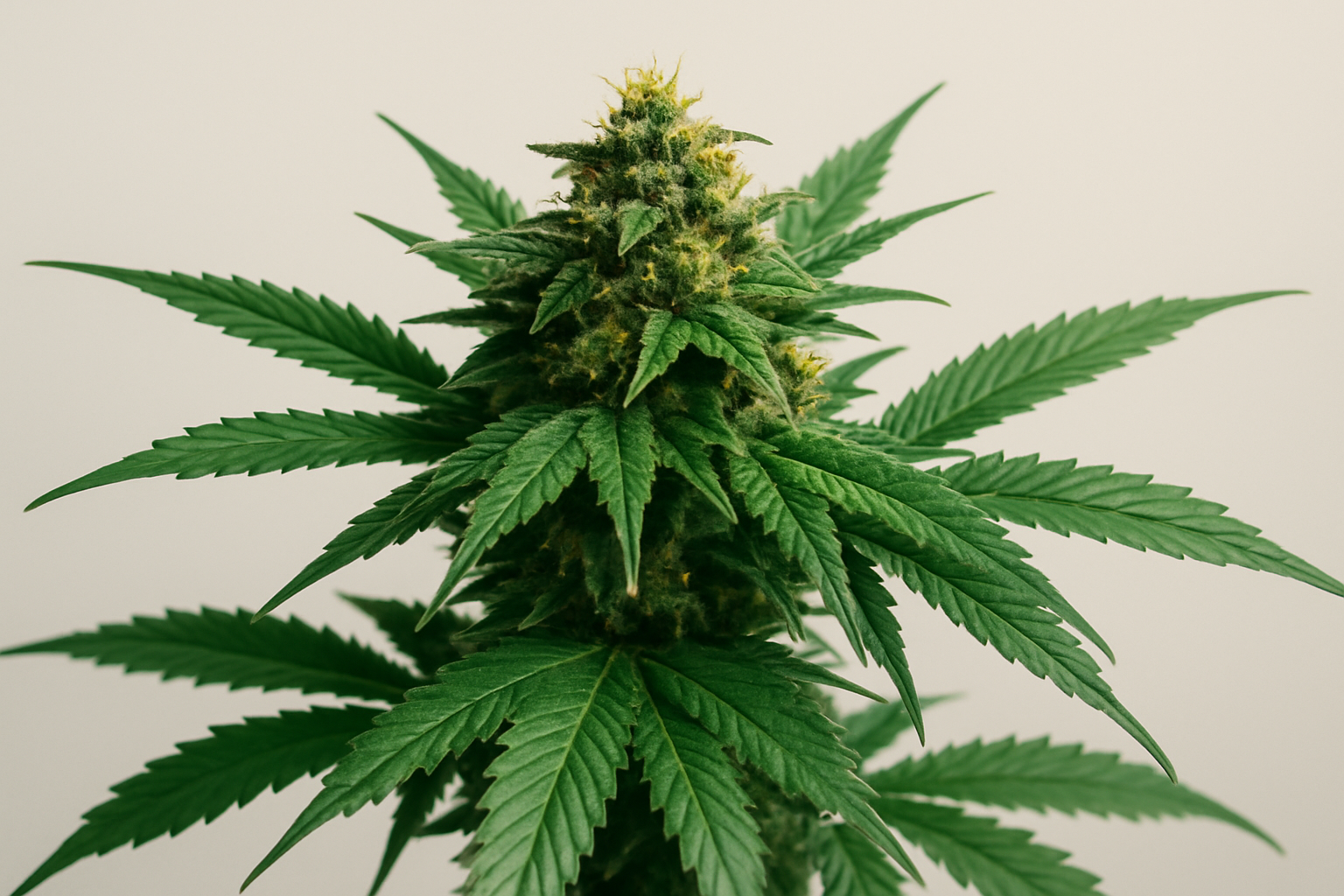
What should shoppers understand before comparing cannabis varieties? For many people, Indica vs sativa is one of the first distinctions they encounter while browsing cannabis products. These traditional categories can offer a simple introduction to differences in plant structure and commonly associated characteristics. However, modern cannabis products are much more diverse, making cannabinoids, terpenes, genetics, and product format important factors to consider alongside the category label.
In This Article
- Why Are Indica and Sativa Used on Product Descriptions?
- What Should Shoppers Know About Indica?
- What Should Shoppers Know About Sativa?
- Are the Categories Enough to Compare Products?
- Why Does THC Content Matter?
- What About CBD Levels?
- How Can Terpenes Help Shoppers?
- What Role Do Cannabis Hybrids Play?
- Does the Same Category Guarantee the Same Experience?
- What Product Details Are Worth Checking?
- How Can New Shoppers Build Product Knowledge?
- Conclusion
Why Are Indica and Sativa Used on Product Descriptions?
The terms have long been used to organize cannabis varieties into broad groups. Indica is traditionally associated with shorter, broader-leaf plants, while sativa is generally linked with taller plants and narrower leaves.
For shoppers, these labels can make an extensive product range easier to navigate. They provide an initial point of comparison before looking more closely at the individual characteristics of a product.
What Should Shoppers Know About Indica?
Indica varieties are traditionally recognized for their compact growth patterns and broader foliage. In the consumer market, they are also commonly described using relaxing and calming terminology.
These descriptions can help shoppers identify products that match their general preferences. However, the characteristics of an individual indica product can vary according to genetics, cultivation methods, cannabinoid levels, and terpene composition.
What Should Shoppers Know About Sativa?
Sativa varieties are traditionally associated with taller growth, narrower leaves, and more elongated plant structures. Consumer descriptions frequently connect them with uplifting or energetic qualities.
As with indica products, these general descriptions do not represent every individual variety. Looking at the complete product profile can provide more useful information when comparing different options.
Are the Categories Enough to Compare Products?
Not by themselves. Modern cannabis products can have complex genetic backgrounds, particularly because hybridization is widespread.
A product’s category provides broad context, but shoppers can gain additional insight by examining THC and CBD levels, terpene information, cultivation details, and product format. This approach creates a more complete comparison.
Why Does THC Content Matter?
THC is one of the primary cannabinoids found in cannabis and is an important detail on many product labels. Concentrations can differ substantially among products, including products carrying the same traditional category.
Checking THC content allows shoppers to compare measurable characteristics rather than relying entirely on broad terminology.
What About CBD Levels?
CBD is another well-known cannabinoid that can contribute to a product’s overall profile. Some cannabis products contain relatively small amounts, while others are formulated with more noticeable CBD concentrations.
When comparing products, reviewing both THC and CBD information can provide a clearer picture of their cannabinoid composition.
How Can Terpenes Help Shoppers?
Terpenes are responsible for many of the distinctive aromas and flavors found in cannabis. Common terpene names include limonene, myrcene, pinene, and caryophyllene.
For shoppers who enjoy particular sensory characteristics, terpene information can be especially helpful. Two products categorized similarly may have completely different aromatic profiles because their terpene compositions differ.
What Role Do Cannabis Hybrids Play?
Hybrid varieties combine genetics from different cannabis lineages. They can express characteristics traditionally associated with indica, sativa, or both.
The popularity of hybrids demonstrates how broad the modern cannabis landscape has become. Shoppers are not limited to two rigid categories and can explore products with a wide range of genetic and chemical characteristics.
Does the Same Category Guarantee the Same Experience?
No. Products within the same category can differ considerably. Individual response can be influenced by factors including cannabinoid composition, terpene profile, consumption method, serving size, tolerance, and personal biology.
This is why shoppers may find it useful to consider several product characteristics at the same time rather than expecting a category label to provide a complete prediction.
What Product Details Are Worth Checking?
Before selecting a cannabis product, shoppers can review its category, cannabinoid content, terpene profile, product format, aroma and flavor descriptions, and available serving information.
Comparing these details can make browsing more structured and help consumers identify products that align with their preferences.
How Can New Shoppers Build Product Knowledge?
A simple approach is to pay attention to product characteristics and personal preferences over time. Noting preferred aromas, flavors, cannabinoid profiles, and formats can make future comparisons easier.
The more shoppers understand the information presented on product descriptions, the easier it becomes to explore cannabis varieties with greater confidence and awareness.
Conclusion
Indica and sativa remain useful traditional categories for understanding cannabis, but today’s product selection extends well beyond these two labels. Indica is generally associated with compact plant structures, while sativa is traditionally linked with taller growth patterns. For shoppers, cannabinoid levels, terpene profiles, genetics, product formats, and individual preferences provide valuable additional context. Considering these factors together creates a more informed way to explore the diverse range of cannabis products available today.
What You Need to Know
- Indica varieties are traditionally recognized for their compact growth patterns and are commonly described as relaxing and calming.
- Sativa varieties are associated with taller growth and are described as uplifting or energetic, but individual characteristics can vary.
- Modern cannabis products often have complex genetic backgrounds and hybridization, so shoppers should consider details beyond the indica and sativa labels.
- THC and CBD levels are important metrics for comparing cannabis products as concentrations can differ significantly, even within the same category.
- Terpenes contribute to the distinctive aromas and flavors of cannabis and can vary greatly between products with the same category label.
- Individual experiences with cannabis can differ significantly within the same category due to factors like cannabinoid composition and personal biology.